
Virginia Flock Cameras & Privacy: Diane Toscano on 13NewsNow
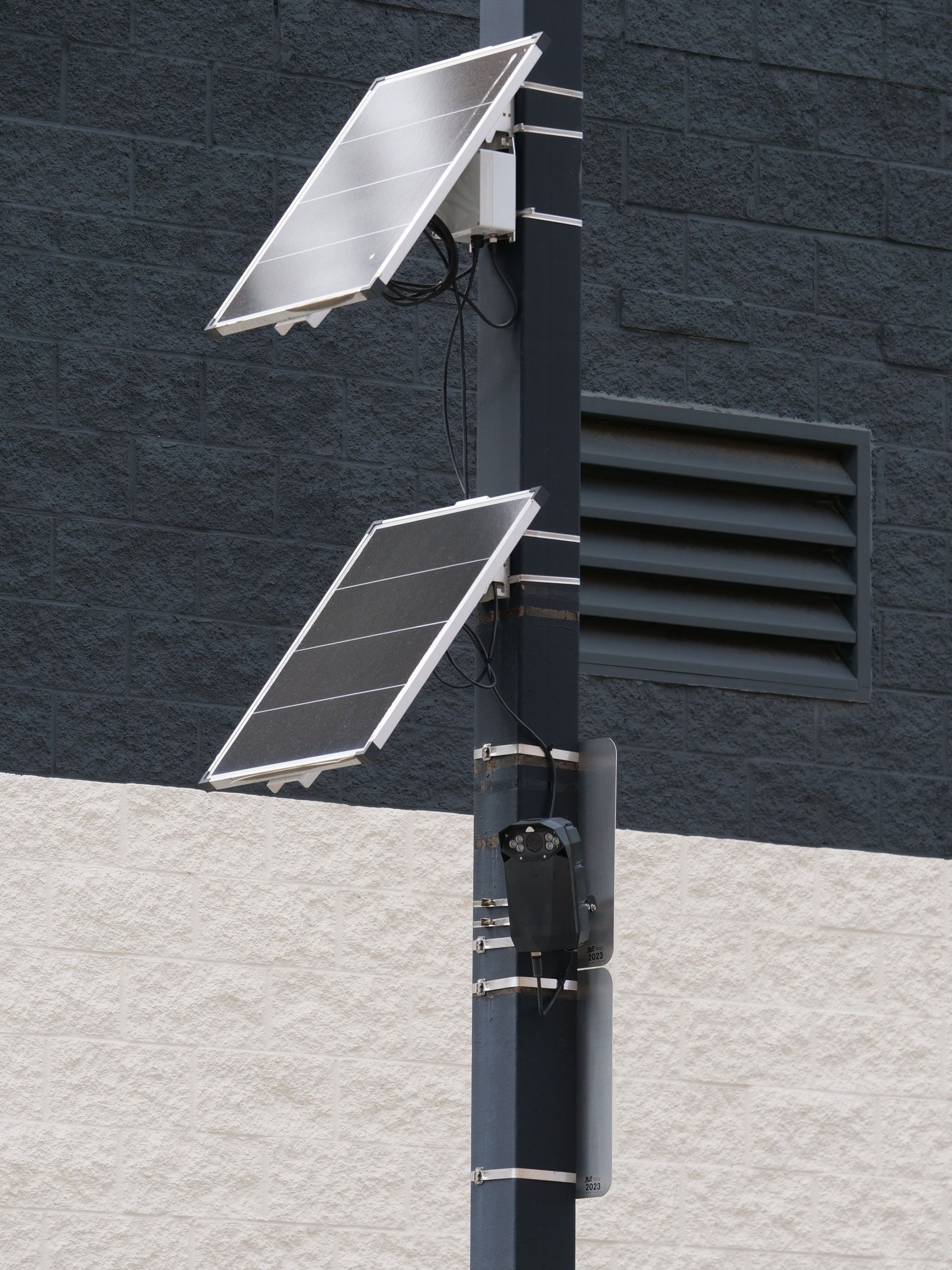
Automated license plate reader cameras have become increasingly common across Virginia - and increasingly controversial.
Toscano Law Group founder Diane Toscano recently spoke with 13NewsNow about new restrictions governing Flock Safety cameras and the broader privacy concerns raised by law enforcement's growing use of surveillance technology.
Flock cameras automatically photograph vehicles and license plates as they pass, creating data that law enforcement agencies can search during criminal investigations. The cameras are widely used by police departments throughout Hampton Roads and across Virginia.
The technology can provide law enforcement with a powerful investigative tool. But its ability to collect information about the movements of large numbers of people - including those who are not suspected of any crime - has raised significant questions about privacy, government surveillance and the limits that should apply to emerging technology.
What Are the New Restrictions on Flock Cameras?
Recent changes impose additional safeguards on law enforcement's use of Flock systems.
Among them are mandatory auditing intended to identify improper searches, requirements that officers connect searches to specific investigations, and shorter periods for retaining collected data.
In Virginia, investigators generally have 21 days to access Flock camera footage before the data is deleted. Additional oversight is also scheduled to take effect in April 2027, when Virginia law enforcement agencies using Flock will be required to submit usage reports to Virginia State Police.
These measures are intended to create greater accountability over when and why law enforcement searches information collected by automated license plate readers.
Flock Cameras and Privacy Rights in Virginia
The privacy question surrounding this technology is more complicated than whether a camera can legally photograph a vehicle traveling on a public road.
As Toscano explained to 13NewsNow, people generally do not have an inherent right to privacy while traveling in public. The broader concern arises from technology's ability to collect thousands of individual observations and potentially use them to reconstruct a person's movements over time.
"It still doesn’t address the fact that these Flock cameras are documenting innocent people who aren’t alleged to have committed a crime, over a long period of time, where you can reconstruct everywhere a person has been, or where their vehicle has been," Toscano told 13NewsNow.
There is an important distinction between observing a vehicle at a particular place and time and maintaining a searchable collection of information that may reveal patterns about where someone travels.
As surveillance technology becomes more sophisticated, courts and lawmakers increasingly face questions about how traditional constitutional protections apply to information that previous generations of law enforcement could not have collected or analyzed on this scale.
New Safeguards Provide Greater Accountability
Toscano also told 13NewsNow that several of the new safeguards are meaningful improvements.
"It does require now mandatory auditing, which is important by the agency, a shorter retention period, and the officers now need to tie a search to a case," Toscano said. "So that’s important to have some of these ways to check on what’s happening and make people feel like there are balances put in place."
Requiring searches to be associated with legitimate investigations and subjecting those searches to auditing can help deter misuse. Shorter retention periods also limit how long information about people who are not suspected of wrongdoing remains available.
But the larger debate remains: How should society balance legitimate law-enforcement needs against the ability of increasingly powerful technology to document the activities of ordinary citizens?
Technology Is Changing the Constitutional Landscape
Flock cameras are part of a much larger legal issue.
Automated license plate readers, facial recognition, location information, digital communications and other technologies have dramatically expanded the amount of information potentially available during government investigations.
The Constitution, however, was written long before any of those technologies existed.
Courts are therefore regularly required to determine how longstanding protections against unreasonable government intrusion apply to investigative techniques that would have been unimaginable when those protections were created.
Those questions will continue to develop as surveillance technology becomes more powerful and interconnected.
Diane Toscano Discusses Flock Cameras with 13NewsNow
Diane Toscano is the founder of Toscano Law Group, a Virginia Beach-based trial firm handling complex criminal defense and civil litigation in state and federal courts throughout Virginia.
A former Virginia Beach prosecutor and experienced trial attorney, Toscano is frequently asked by the media to provide legal analysis on significant cases and developing issues involving Virginia law.
Her discussion with 13NewsNow highlights a question that extends well beyond Flock cameras themselves: As technology gives the government new ways to collect information, where should the law draw the line?
Read the full 13NewsNow report: “Experts say new restrictions on Flock cameras are a step in the right direction, but concerns remain.”